i have written about the grapes in the trees a lot because it was such a surprise...to find them and then to discover the ancient greeks grew them in olive groves to have them vine in the trees...utilizing natural behaviors to their advantage and finding the same mechanism in my yard was enlightening...that focus has left out another "fruit tree" since i cannot recall saying much of anything about the mulberry tree ( first and second photos ) in the back yard, tucked up against the fence...it is a young tree...they don't bear fruit until their tenth season and this one has only been producing for the last three or so...the leaves ( third ) with the multiple, rounded serrations give it away as young...research tells me they lessen and almost vanish as the tree ages...the fruit runs from white ( fourth ) to a sort of lavender ( fifth ) and then a deeper purple ( sixth ) until it turns black when truly ripe ( seventh ) and both stains my hand and fall all over the yard ( eighth and ninth ) the larger berries ( not actually berries but clusters of seed bearing structures called drupes ) are sweeter than the small er ones which are fairly tart...they are healthy...many benefits...but invasive and massive producers of pollen...they have been banned in some cities for both those reasons...this one stays.
the field next to the supermarket is full of corn plants...across from the parking lot to the tree line by deep river...both to the north and west ( first and second photos )...full of plants but no corn yet...and "knee high by july" is a benchmark this field has missed ( third )...it's a suburban field so while the rows are the standard thirty inches apart they are , at times, choked with other biomass ( fourth and fifth )...some of the plants are spaced in a uniform fashion ( sixth and seventh ) many are not and there is a significant height differential in the oddly spaced plants ( eighth through twelfth ) although the size difference in the twelfth photo may be caused by competition for that clump of nearby biomass which leads tot he question of how much of the potential harvest is going to be lost to that competition..just one filed in the "corn belt"...thousands of plants all growing genetically engineered kernels of corn that have a large amount of starch and very little nutritionally valuable germ ( also one reason the don't do well as volunteer second generation plants...not much to start with )...and what is this starchy stuff for/ feedstock for extruded hot pockets and the high fructose corn syrup that goes into almost anything in the central aisles of the ironically located supermarket next door...with supermarket profit margins as thin as they are perhaps strack's could cut out the middle man and go to farmer brown for the raw material....i neglected to mention yesterday that the last two photos are of volunteer bean plants left over from last season's harvest...they will not last long...eventually they will be shaded out by the corn...still...some evidence of no "suicide gene " in the plants...but would they produce? one of the reasons i look for volunteer corn in each season's bean fields...to see what, if anything, is produced.
not quite, for the most part, is what i would say about the grain season out back...the stand OF pacific blue stem volunteers ( first photo ) still has some green in it ( second ) however moat of the ears are ripe ( third ) and it will, i think, be the first to harvest...the winter rye ( fourth...also volunteers ) is further from being finished...still a lot of green (fifth )...the stand of hard red spring wheat ( sixth ) is probably second in line to harvest...not that much green ( seventh ) and many ripe ears ( eighth )...the ancient emmer wheat ( ninth ) has exactly one ripe ear...the rest (tenth and eleventh ) are stubbornly green...and the dwarf syrian wheat ( twelfth ) isn't even making a pretense of ripening ( thirteenth ) green is the mood for the day in that container...and has been ever since germination...it could be a while yet.
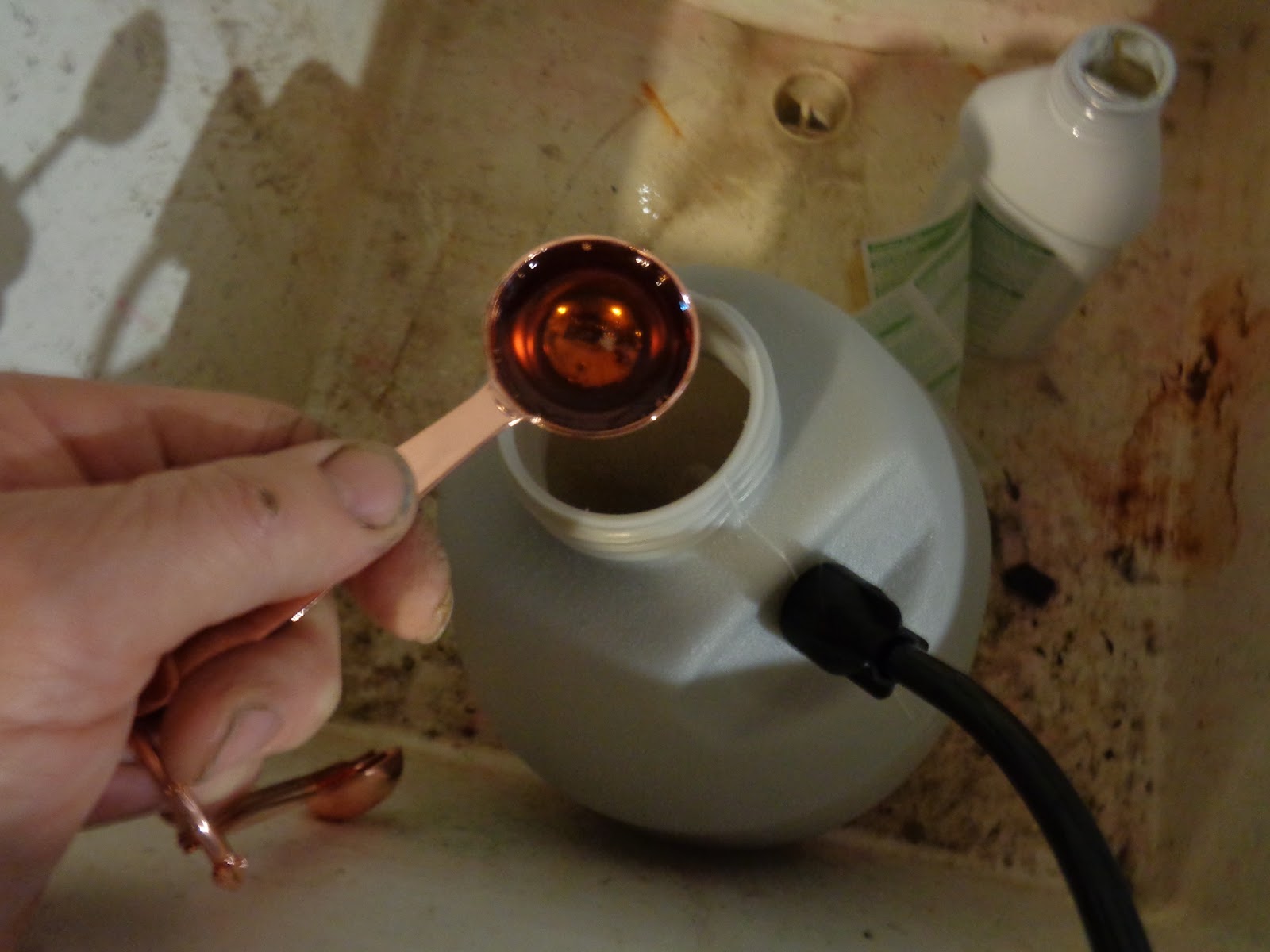
i went out and inspected the vines after i got home from the beanfeild and, sure enough, the beetles were around ( first photo just right of center about two-thirds of the way up )...so i went downstairs and go the neem oil ( second ) which has a very citrus like smell...it comes from an evergreen shrub that grows on the indian subcontinent... and mixed four tablespoons into a gallon of water in the sprayer ( third )...went out and soaked the grape ( fourth and fifth ) and yam ( sixth ) leaves with the mixture which i will do every two weeks or so until the end of the season...while i was up on the ladder spraying the vines in the catalpa tree i discovered many bunches of still green concord grapes ( seventh through tenth )...hoping for a fair harvest there...haven't seen a sign of grapes on the seedless vines...it is only their second season though...maybe too early for expectations.
a trip out to purchase a gallon sprayer for neem oil led me by the beanfield behind the big box stores ( first )...the rows are coming along ( second )...some of the plants are already evincing pods ( third and fourth )...the yellow leaves and drops of water on some of the bean plants ( fifth ) a indicative of the late burst of rainfall we had at the end of june...some of the plants in the rows are clearly not beans( sixth ) and, while searching the rows for some specific non-bean plants i found some detritus ( seventh and eighth ) to further remind me of the suburban setting of these fields...we are in the nexus of exurban ad rural and the exurbs continue to impinge...i found a decomposing cob with some kernels of dense yellow # 2 ( ninth ) a little more searching around the periphery of the field turned up what i was looking for...a surviving ear of field corn and a couple of volunteer plants conveniently situated to observe through the season...this cold be interesting...and enlightening.
an ex- industrial worker ( the continued automation of jobs, condensing of ownership, plant closings, trade wars, and degradation of living standards here has rendered me a former industrial worker...now just part-time lumpen proletariat) and university student (everyone needs a hobby...my hobbies have evolved and, to keep things straight, i have left my formal student career behind for reasons that are too detailed to delve into here...continuing to be a student of life however and not adverse to learning...stasis is death ) sliding down the back side of middle age...a social loner with collectivist leanings...explain that.